
Navigating the expansive digital aisles of Amazon to find truly exceptional coffee can be both convenient and overwhelming. With thousands of options ranging from mass-produced commercial brands to small-batch specialty roasters, discerning coffee enthusiasts require a structured approach to select beans that deliver an unparalleled cup. Securing café-quality results at home depends on understanding how bean origin, roast level, and packaging integrity impact final extraction.
In this comprehensive guide, we will analyze single-origin profiles versus gourmet blends, evaluate how roast levels correspond to specific extraction methods, and highlight crucial freshness indicators to inspect prior to ordering online. Additionally, we will examine top-rated marketplace brands, reveal strategies for maximizing discounts via Amazon programs, and present a practical buyer’s guide matching beans to espresso machines and pour-over setups.
Executive Summary: Achieving the ultimate home brew through Amazon requires evaluating roast dates over shelf-life labels, choosing bean structures compatible with your machinery, and utilizing subscription models to ensure a constant supply of fresh roasts. By applying these criteria, buyers can consistently source high-tier coffee tailored to their exact flavor preferences.
Flavor profiles: understanding single-origin vs gourmet blends on Amazon
(Image: Pixabay/@ClaroCafe)
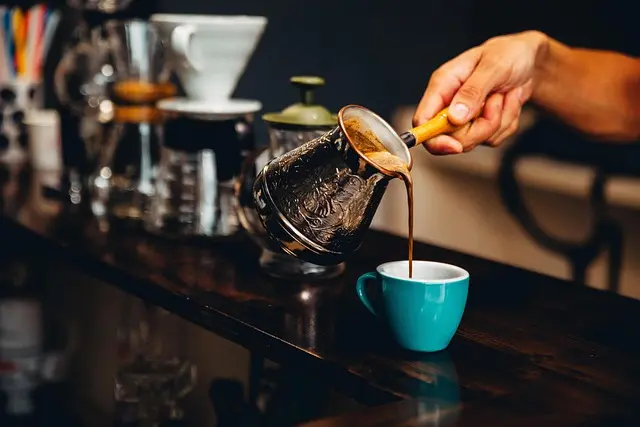
Single-origin coffee beans are harvested from a single geographic location, such as a specific farm, region, or estate. This focus showcases the distinct terroir—including soil composition, altitude, and local climate—resulting in nuanced and vibrant flavor profiles. On Amazon, single-origin offerings from regions like Ethiopia, Colombia, or Kenya often highlight explicit tasting notes ranging from bright floral and citrus tones to deep, winey acidity, making them favored by pour-over purists.
Gourmet blends, conversely, are engineered by master roasters who combine beans from multiple regions to achieve a balanced, consistent flavor profile. Blending allows roasters to pair the heavy body of an Indonesian bean with the sweet acidity of a Central American bean. These offerings excel in providing consistency across batches and year-round availability, making them ideal for espresso extraction and batch drip brewers that require uniform performance.
When reviewing product listings online, evaluate the detail provided in the item description. High-quality single-origin beans will prominently feature region, elevation, and processing methods (such as washed or natural). Premium blends will specify the intent behind the combination, indicating whether the roast focuses on chocolatey sweetness, low acidity, or rich crema production.
Roast levels: selecting light, medium, or dark roasts for your brewing method
(Image: Pixabay/@gosiak1980)
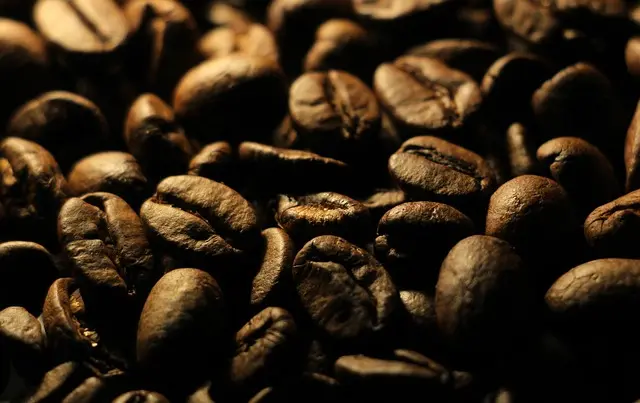
Light roasts retain the highest concentration of the bean's original origin characteristics and natural organic acids. Dropped from the roaster shortly after the first crack, these beans exhibit a lighter body, vibrant acidity, and complex floral or fruity notes. Light roasts perform exceptionally well with manual filter methods such as the Chemex, V60, or AeroPress, where clean extraction highlights delicate taste nuances.
Medium roasts offer a harmonious balance between origin characteristics and the caramelization developed during roasting. With a fuller body, rounded acidity, and emerging notes of milk chocolate, toasted nuts, and subtle caramel, medium roasts are highly versatile. They serve as an excellent option for drip coffee makers, pour-overs, and modern espresso styles that seek sweetness without extreme bitterness.
Dark roasts are crafted by extending roasting times past second crack, driving natural oils to the surface of the bean. The flavor profile transitions away from origin characteristics toward bold, smoky, dark chocolate, and heavy caramel notes with low perceived acidity. Dark roasts excel in traditional espresso brewing, French press extraction, and milk-based drinks where robust body and intense flavors are required to cut through dairy or plant-based milks.
Freshness indicators: how to check roast dates and packaging quality online
(Image: Pixabay/@Couleur)
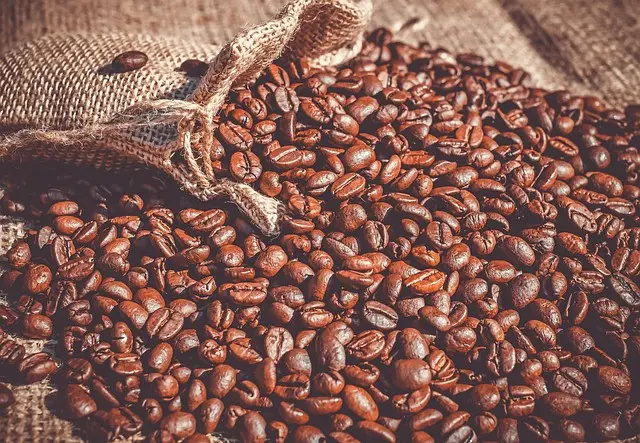
Freshness is the single most critical factor in coffee quality, as roasted beans begin losing aromatic compounds and delicate flavor notes within weeks of processing. When purchasing coffee on Amazon, look for roasters that explicitly state a commitment to printing a "Roast Date" rather than merely a "Best By" date. "Best By" labels can span up to two years, concealing stale inventory, whereas fresh specialty beans should ideally be consumed within 14 to 45 days post-roast.
Packaging integrity directly dictates how well beans preserve their volatile oils during transit and storage. High-grade coffee packaging incorporates a thick, multi-layer foil barrier and a functional one-way degassing valve. This valve allows carbon dioxide released naturally by freshly roasted beans to escape without allowing oxygen to enter, preventing rapid oxidation and staleness.
To ensure maximum freshness on Amazon, prioritize purchasing directly from brand storefronts or roasters who fulfill orders via "Fulfilled by Merchant" (FBM) with direct-from-roaster shipping. When buying items marked "Fulfilled by Amazon" (FBA), inspect recent customer reviews to verify that warehouse turnover is rapid and received bags consistently display recent roast stamps.
Top-rated brands: in-depth breakdown of Amazon's best-selling specialty beans
(Image: Pixabay/@felix_w)
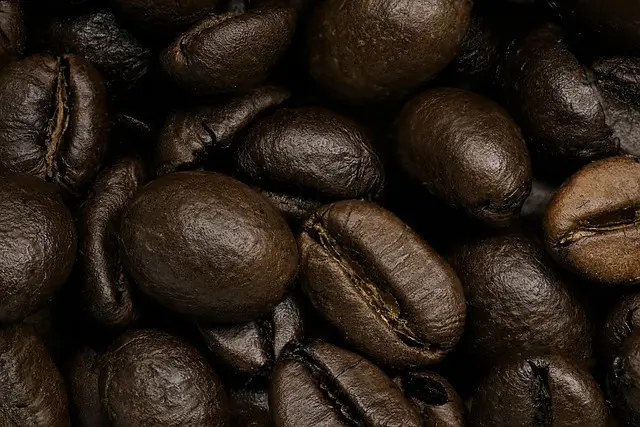
Amazon hosts established commercial specialty brands alongside recognized artisanal roasters. Brands like Lavazza (e.g., Super Crema) dominate sales volume due to exceptional consistency, smooth Italian espresso profiles, and competitive pricing. While commercially roasted and nitrogen-sealed, these blends provide dependable results for automated espresso equipment and milk-based beverages.
For micro-lot quality and origin transparency, brands such as Kicking Horse, Stumptown, Peet's Reserve, and Counter Culture Coffee maintain strong storefront presences on Amazon. Stumptown's "Hair Bender" and Counter Culture's "Holistic" offerings frequently top customer satisfaction charts due to clear bean sourcing, consistent roast curves, and rich, complex cup profiles.
When selecting among top-rated options, balance review volume with specialized feedback from high-end coffee enthusiasts. High review counts often reflect accessibility and value, whereas niche specialty listings with detailed reviews focusing on flavor clarity, extraction yield, and crema quality offer better guidance for advanced brewing setups.
Exclusive offers: how to find subscriber discounts and limited Amazon deals
(Image: Pixabay/@felix_w)
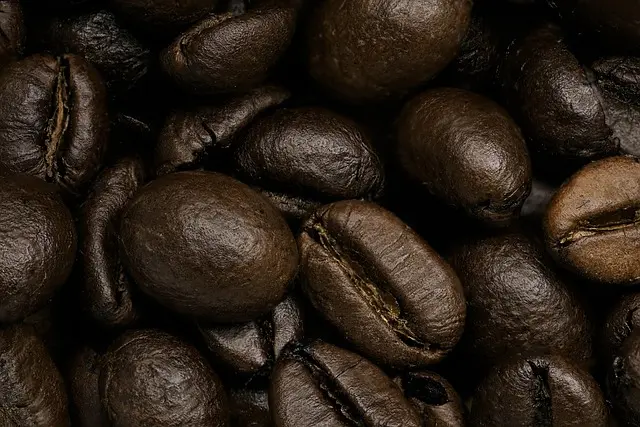
Maximizing value when buying premium coffee on Amazon involves strategically leveraging automated purchasing programs. Amazon's "Subscribe & Save" feature allows consumers to schedule recurring deliveries for chosen beans, securing an immediate discount of 5% to 15% per order. This program is particularly beneficial for high-consumption households that rely on daily, consistent blends.
In addition to subscription savings, roasters frequently issue digital promotional coupons on product landing pages. Checking the "Clip Coupon" box prior to adding items to your cart can yield discounts ranging from 10% to 30% off the initial delivery. Monitoring seasonal sales events like Amazon Prime Day and Black Friday provides opportunities to acquire high-end specialty beans at significantly reduced rates.
To further optimize cost efficiency without sacrificing quality, consider purchasing larger 2-pound or 5-pound bags from verified roasters. Larger quantities offer a lower price-per-ounce, and excess whole beans can be stored in airtight, vacuum-sealed containers or properly frozen in one-way valve bags to preserve freshness over extended periods.
Buyer's guide: matching specific coffee beans to espresso machines and pour-overs
(Image: Pixabay/@jarmoluk)
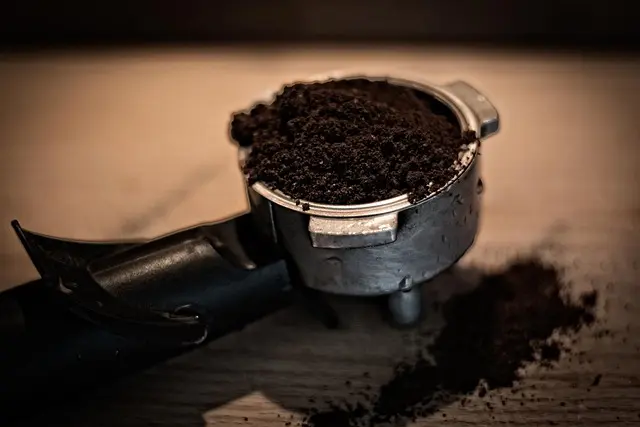
Achieving optimal extraction requires aligning bean characteristics with the physical mechanics of your chosen brewing equipment. Semi-automatic and manual espresso machines demand beans capable of generating balanced body, pleasant sweetness, and stable crema under high pressure. Medium to dark roast blends featuring South American or Indonesian origins generally deliver the required viscosity and low acidity necessary for balanced shots.
Pour-over systems, such as the Hario V60 or Chemex, utilize gravity-fed filtration that highlights subtle, soluble compounds. Light to medium roast single-origin beans—particularly those processed via washed or honey methods from East Africa or Central America—excel in these setups. The clean paper filtration removes insoluble solids and heavy oils, allowing floral, berry, and bright malic acids to dominate the sensory experience.
Equipment care should also influence bean selection, particularly for super-automatic (bean-to-cup) espresso machines. Dark, oily roasts can leave heavy residue inside built-in grinders and brew groups, leading to clogging and bitter off-flavors over time. For super-automatic machines, select medium roasts with a matte surface finish to maintain machine health while retaining rich flavor output.
Conclusion
Selecting top premium coffee beans on Amazon requires a calculated balance of roast knowledge, origin awareness, and careful evaluation of online vendor practices. By distinguishing between single-origins and gourmet blends, identifying the appropriate roast profile for your brewing hardware, and verifying packaging freshness indicators, home baristas can bypass low-grade options and secure exceptional beans delivered directly to their doorstep.
Ultimately, leveraging Amazon’s subscription models and roaster-direct storefronts provides both economic efficiency and continuous access to fresh coffee. Armed with the insights from this buyer’s guide, you can confidently explore Amazon’s vast coffee marketplace, optimize your extraction parameters, and elevate your daily home brewing experience to café standards.
FAQs
How can I ensure the coffee beans I buy on Amazon are fresh?
To maximize freshness, look for sellers that clearly state a "Roast Date" rather than just a "Best By" date, choose items fulfilled directly by verified specialty roasters (FBM), and inspect packaging details to ensure multi-layer foil bags with one-way degassing valves are used.
Are single-origin coffee beans better than blends?
Neither is inherently superior; choice depends on preference and brewing method. Single-origins offer distinct, complex flavor profiles showcasing specific regions (ideal for pour-overs), while gourmet blends offer balanced, consistent flavor profiles (ideal for espresso and daily drip coffee).
Which roast level is best for an automatic espresso machine?
Medium roasts with a matte surface are best for automatic espresso machines. Extremely dark, oily beans can deposit residue on internal grinders and brew chambers, causing operational issues and residual bitterness over time.
Does Amazon offer discounts on recurring coffee orders?
Yes, Amazon’s Subscribe & Save program offers discounts between 5% and 15% on scheduled recurring deliveries, which can be combined with digital seller coupons for additional savings on initial orders.