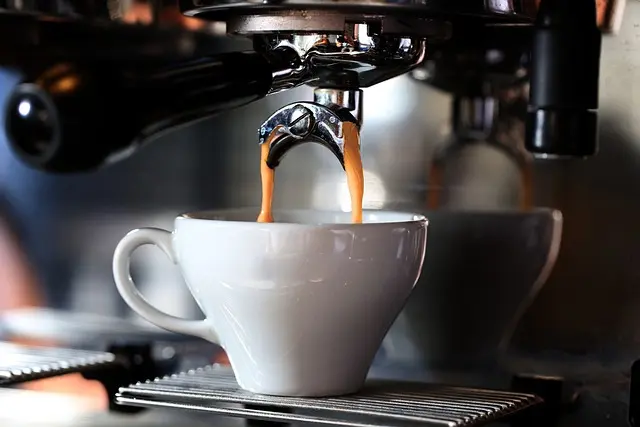
The global demand for high-quality coffee has expanded beyond the confines of brick-and-mortar cafes and home kitchens. Today’s coffee enthusiasts increasingly expect an uncompromising espresso experience while commuting, traveling for business, or exploring remote wilderness. Mobile extraction technology has advanced dramatically, giving rise to lightweight, highly efficient devices capable of generating the pressure needed for authentic espresso anywhere in the world.
In this article, we will examine the technical and practical aspects of selecting the optimal mobile espresso device. Our analysis covers the trade-offs between manual and electric operating mechanisms, essential technical specifications such as pressure ratings and thermal retention, and proven methodologies for achieving authentic crema in outdoor environments. Furthermore, we evaluate key physical features, match specific devices to distinct traveler profiles, and offer best practices for long-term cleaning and maintenance.
Ultimately, choosing the right portable espresso maker requires balancing power convenience against weight and independence from power sources. By understanding your specific travel constraints and operational preferences, you can easily maintain your daily coffee ritual at professional standards regardless of your destination.
Manual vs electric: choosing the right travel espresso maker for your trip. (Amazon Link)
(Image: Pixabay/@Boy-Employee)
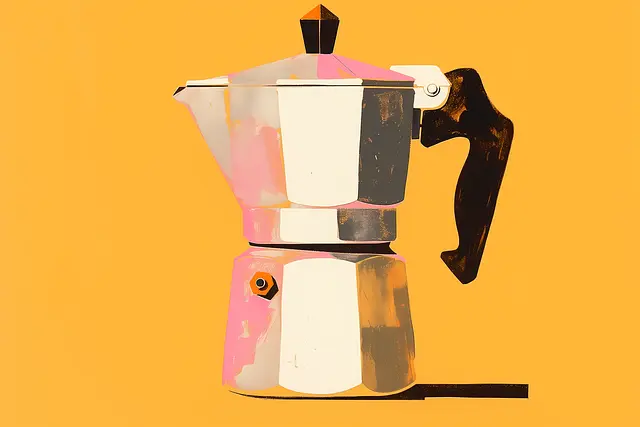
When selecting a portable espresso maker, the primary decision centers on the driving mechanism: manual hand-pumping versus battery-powered electric operation. Manual espresso makers rely on hand pistons, levers, or pneumatic pumps to generate the force required to push water through tightly compacted coffee grounds. Because they operate without electrical components, manual devices offer unmatched reliability, zero battery dependence, and significantly reduced overall weight, making them ideal for off-grid environments.
Conversely, electric portable espresso devices utilize rechargeable lithium-ion batteries to automate extraction and, in many advanced models, heat cold water to ideal brewing temperatures. This push-button automation provides exceptional convenience for urban travelers, commuters, and hotel guests who prioritize effort-free operation over minimum pack weight. However, these systems are noticeably heavier, require routine access to power outlets for charging, and carry a higher risk of mechanical failure due to their electronic complexity.
To determine the correct path, evaluate your access to hot water and electricity during your trips. If you routinely carry a thermos or camp stove and value minimalist durability, a manual device is generally the superior choice. If you seek an all-in-one solution that eliminates the need for separate water heating devices and favors maximum convenience, an electric model will better suit your itinerary.
Essential specs: pressure, capacity, and durability explained.
(Image: Pixabay/@waneshih)
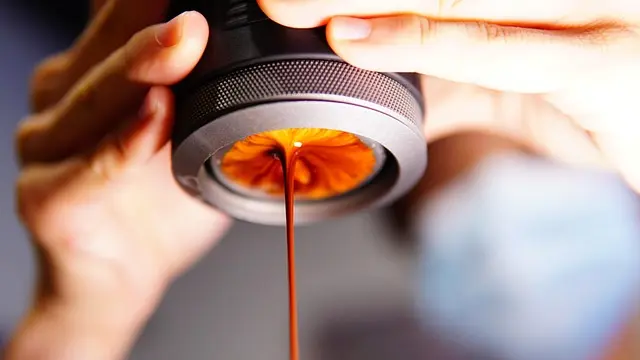
The technical performance of any espresso device depends heavily on its pressure output. True espresso extraction requires a minimum of 9 bars of pressure to force water through fine coffee grounds, dissolving key solubles and emulsifying oils into a rich beverage. High-quality travel espresso makers typically feature internal pumps rated between 15 and 18 bars, providing sufficient pressure headroom to maintain a consistent 9-bar flow even when encountering varying grind sizes and tamp densities.
Water capacity and shot volume represent another crucial specification balance. Most compact handheld devices feature water reservoirs ranging from 50 ml to 80 ml, perfectly calibrated for traditional single shots or lengthened solo extractions. Larger units designed for double shots or dual-use (espresso and Americano) may offer capacity up to 120 ml or more, though this increased volume invariably adds bulk and extends the thermal warm-up cycle of the device.
Finally, material construction directly dictates longevity under demanding travel conditions. High-grade espresso tools utilize BPA-free food-grade polymers, reinforced silicones, and anodized aluminum or stainless steel cores. Choosing a model built with corrosion-resistant internal chambers and impact-resistant outer shells ensures that the unit can withstand thermal shock, mechanical drops, and rough handling during transport.
How to achieve authentic espresso crema while camping or traveling.

(Image: Pixabay/@Danganhfoto)
Crema—the golden-brown micro-foam layer atop a shot of espresso—is created when carbon dioxide gas from fresh coffee beans emulsifies with liquid soluble oils under high pressure. Achieving this outdoors requires strict attention to variable controls, starting with coffee freshness and grind precision. Pre-ground commercial coffee often lacks the necessary gas content; thus, carrying fresh beans and a capable portable burr grinder yields significantly superior crema formation.
Thermal stability is the second critical variable that is frequently compromised during outdoor brewing. In cold environments, the cold plastic or metal walls of a travel espresso device rapidly absorb heat from hot water, lowering the extraction temperature below the ideal range of 90°C to 96°C (194°F to 205°F). Pre-heating the device by flushing it once with boiling water prior to adding coffee grounds stabilizes internal temperatures and prevents sour, under-extracted shots with thin crema.
Finally, maintaining consistent mechanical technique is vital when operating manual devices. Rapid, erratic pumping produces turbulent, uneven water flow through the puck, causing channeling and weak crema. A steady, deliberate rhythm that maintains uniform resistance guarantees that water passes evenly through the coffee bed, yielding a velvet-textured, balanced shot.
Key features to look for in compact handheld coffee gadgets.

(Image: Pixabay/@EsaRiutta)
When evaluating handheld coffee gadgets, ergonomics and packability should be prioritized alongside extraction capabilities. The physical footprint of the device must fit comfortably into modern travel luggage, backpacks, or vehicle cup holders. Modular designs, where components such as the measuring scoop, tamper, and drinking cup nest neatly into the main body, significantly reduce clutter and minimize the risk of losing critical accessories while on the road.
Versatility regarding coffee media is another key feature to consider. Many modern handheld makers feature interchangeable basket adapters, allowing users to switch between finely ground fresh coffee and standardized espresso capsules (such as Nespresso-compatible pods). Pod compatibility offers extreme convenience and mess-free disposal during fast-paced transit, while ground coffee baskets provide total freedom over bean selection and grind customization.
Additionally, pay close attention to user safety features, specifically heat insulation and secure seal mechanisms. A high-quality device should feature textured, heat-resistant silicone grips or double-walled body construction to protect hands during high-temperature extractions. Robust threading and heavy-duty silicone O-rings are equally essential to prevent high-pressure hot water leaks during operation.
Who it is for: matching portable makers to your travel style.
(Image: Pixabay/@tookapic)
Ultra-light backpackers, long-distance hikers, and minimalist campers require maximum functionality at minimum weight. For this user group, ultra-compact manual devices weighing under 350 grams (12 ounces) are the undisputed standard. These users benefit from rugged, completely non-electric units that utilize water boiled over a lightweight camp stove, ensuring total reliance on mechanical simplicity without charging overhead.
Business travelers, digital nomads, and hotel-focused vacationers represent a very different user segment. These individuals typically prioritize speed, clean operation, and aesthetic design over strict weight savings. An electric or pod-compatible espresso maker fits seamlessly into this lifestyle, allowing users to pull clean, consistent shots on office desks, in hotel rooms, or at airport terminals without creating loose coffee ground waste.
Finally, overland travelers, RV enthusiasts, and car campers fall into an ideal middle ground. With access to vehicle auxiliary power (12V outlets) and generous storage space, these coffee lovers can accommodate heavier, multi-functional electric systems with integrated water heating capabilities, enjoying near-cafe performance directly from their vehicle tailgate.
Cleaning and maintenance tips for espresso devices on the road.
(Image: Pixabay/@13027327)
Maintaining high standards of cleanliness is essential for both beverage taste and device longevity, particularly when water access is limited. Immediately following extraction, knock out the spent coffee puck and rinse the filter basket with a small amount of clean water. Leaving wet coffee grounds in the basket causes oils to oxidize rapidly, imparting bitter, stale flavors into subsequent brews and potentially clogging fine filter meshes.
Proper drying and seal maintenance are equally important during extended trips. Before packing your espresso maker back into a tight bag or case, wipe down all internal chambers and allow components to air dry completely. Storing a damp device encourages mold growth and can compromise the integrity of rubber or silicone pressure gaskets over time.
Lastly, periodic deep cleaning and descaling must be performed based on usage frequency and local water hardness. Mineral scale buildup restricts internal water passages and degrades pump pressure output in both manual and electric models. Flush the system regularly with a mild descaling solution or diluted citric acid, followed by multiple thoroughly executed freshwater flushes, to keep internal valves operating at peak pressure.
Conclusion
The evolution of portable espresso makers has successfully bridged the gap between outdoor adventure, active travel, and high-caliber espresso extraction. By engineering systems capable of delivering high pressure within compact, durable frames, manufacturers have rendered low-quality instant coffee obsolete for discerning travelers. Whether powered by hand pumps or rechargeable batteries, these gadgets offer tailored solutions for every conceivable journey.
Selecting the ideal device ultimately rests on clear self-assessment regarding weight tolerances, power availability, and personal coffee preferences. By investing in a well-constructed maker and adhering to disciplined brewing techniques and maintenance habits, you can reliably produce rich, authentic espresso anywhere your travel itinerary takes you.
FAQs
Can a portable espresso maker make true espresso?
Yes. As long as the device can generate and sustain at least 9 bars of pressure while maintaining water temperatures between 90°C and 96°C, it meets the technical parameters required to extract authentic espresso with rich crema.
Are pod-compatible travel espresso makers better than ground coffee models?
Neither is objectively superior; it depends on your priorities. Pod-compatible units offer speed, cleanliness, and convenient disposal during transit, whereas ground coffee models allow for fresh bean selection, precise grind adjustments, and superior flavor profiles.
How do you heat water when using a manual portable espresso maker outdoors?
Manual portable espresso devices do not heat water internally. You must supply hot water using an external source, such as a camping stove, portable kettle, or an insulated thermal flask filled prior to your departure.
Can I bring a portable espresso maker on an airplane in my carry-on luggage?
Yes, manual espresso makers are generally permitted in carry-on luggage without restriction. If you are carrying an electric model with an integrated lithium-ion battery, it must be carried in your overhead carry-on bag rather than checked luggage to comply with airline battery safety regulations.