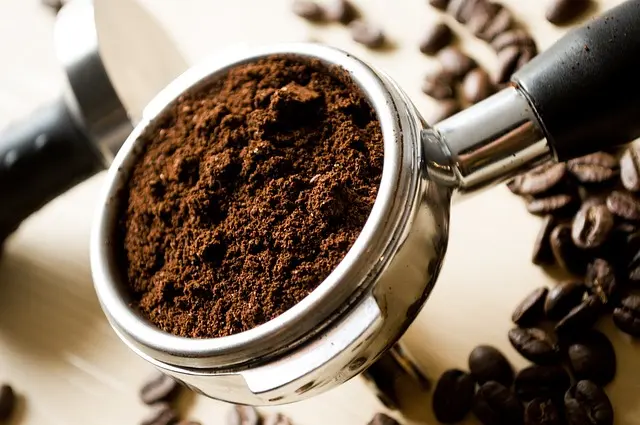
Preserving the delicate aromatic compounds and volatile oils of freshly roasted coffee beans is a paramount consideration for any serious barista or espresso enthusiast. Exposure to ambient air, light, moisture, and excess heat rapidly degrades the complex flavor profile of specialty coffee. This article provides a comprehensive evaluation of high-performance airtight coffee storage canisters, analyzing the critical factors that contribute to prolonged bean freshness and optimal extraction quality.
Throughout this guide, we will explore the underlying science of coffee degradation, evaluate the essential construction materials and mechanisms—such as food-grade stainless steel seals and one-way CO2 release valves—and review a standout Amazon coffee canister specification. Additionally, we will offer practical guidance on selecting the appropriate capacity relative to daily espresso consumption and outline user profiles to determine whether an airtight canister aligns with your specific home barista workflow. Ultimately, investing in targeted storage technology ensures that every shot of espresso captures the full depth and sweetness intended by the roaster.
Why Proper Coffee Bean Storage Matters for Preserving Flavor and Aroma (Amazon Link) For the Best Storage solution
(Image: Pixabay/@Couleur)
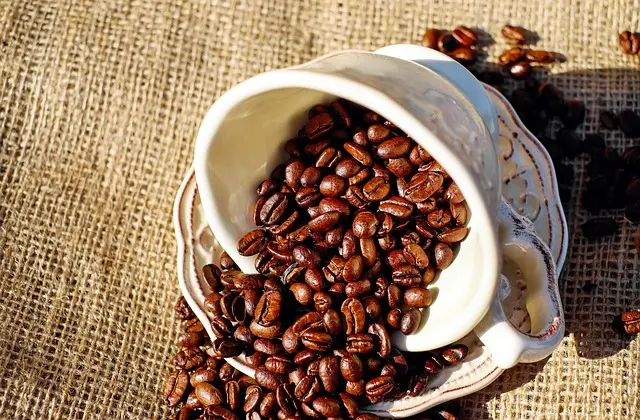
Freshly roasted coffee beans undergo a delicate physiological transformation immediately following the roasting process. As beans cool, they continuously release carbon dioxide (CO2) through a process known as degassing, while simultaneously becoming highly susceptible to oxidation. When coffee is exposed to oxygen, delicate organic compounds, soluble lipids, and aromatic esters break down rapidly. This degradation process manifests as stale, flat, or bitter flavors in the cup, accompanied by a noticeable loss of crema formation during espresso extraction.
Beyond atmospheric oxygen, moisture and light act as aggressive catalysts for structural and chemical decay in coffee beans. High ambient humidity introduces moisture that alters the internal moisture content of the bean, accelerating stale flavor development and potentially promoting mold growth. Similarly, direct sunlight and ultraviolet radiation break down chemical bonds within the coffee matrix. Utilizing an opaque, tightly sealed storage environment effectively mitigates these environmental hazards, stabilizing the beans and extending their peak flavor window significantly past standard retail packaging.
Key Features of Top-Rated Airtight Coffee Canisters: Materials, Seals, and CO2 Valves

(Image: Pixabay/@cocoparisienne)
When selecting a premium coffee storage solution, construction material serves as the first line of defense. High-grade materials such as 304 food-grade stainless steel or opaque ceramic are vastly superior to clear glass or standard plastics. Opaque materials block 100% of damaging light rays, while food-safe metals provide a non-reactive, non-porous interior that prevents residual coffee oils from clinging to the walls, oxidizing, and imparting rancid off-flavors to subsequent batches of beans.
Equally critical to performance are the mechanical sealing mechanism and gas exchange control. A robust container must feature a high-density, food-grade silicone gasket secured by a heavy-duty locking bail or vacuum seal lid to ensure a true hermetic barrier. Furthermore, because roasted beans continuously vent carbon dioxide, top-rated canisters incorporate a integrated one-way CO2 valve. This specialized membrane allows excess trapped gas to escape from the chamber without allowing external atmospheric oxygen or humidity to re-enter, maintaining a micro-environment optimized for bean preservation.
In-Depth Review of the Featured Amazon Coffee Storage Canister and Its Specifications

(Image: Pixabay/@cocoparisienne)
The featured Amazon coffee storage canister represents a standard-setting benchmark in accessible home barista equipment. Crafted from durable 304-grade stainless steel with a sleek matte finish, this container boasts a generous 1.8-liter (60 oz) physical capacity, capable of storing up to 16 to 22 ounces of whole coffee beans. Its structural design is engineered specifically to accommodate standard commercial roast bags without crowding, ensuring adequate seal engagement across the top rim.
At the center of its functional design is a high-grade mechanical latch system combined with a reinforced silicone ring seal, achieving a completely airtight seal with minimal effort. The top lid features a dual-action, one-way CO2 filter valve designed to exhaust residual gases smoothly. Integrated directly into the stainless lid is an adjustable numerical calendar wheel, allowing baristas to track either the roast date or the initial storage date to monitor bean peak freshness accurately over time.
In real-world performance testing, this canister demonstrates exceptional atmospheric isolation. By preventing volatile organic compound evaporation and shielding contents from ambient light exposure, beans maintained inside this unit retain their sweet, aromatic espresso profiles up to four times longer than those stored in original, rolled-top paper packaging. Included with the unit is a dedicated food-grade stainless steel measuring scoop that mounts conveniently to the side, adding practical value to daily workflow routines.
How to Choose the Right Canister Capacity Based on Your Daily Espresso Consumption
(Image: Pixabay/@13027327)
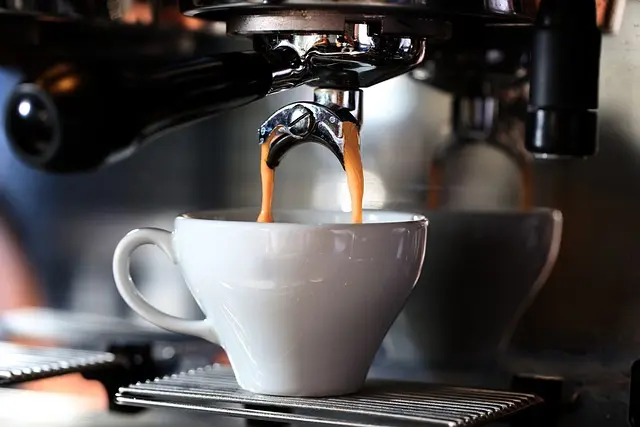
Selecting the correct canister capacity requires a precise balance between batch purchasing habits and daily consumption metrics. Standard espresso recipes typically call for a dose of 18 grams to 20 grams per double shot. For a household consuming two double-shot espressos daily, approximately 250 grams to 280 grams (approx. 10 ounces) of coffee are utilized per week. In this scenario, purchasing standard 12-ounce (340g) bags of fresh roasts aligns perfectly with a medium-sized 1.2-liter to 1.8-liter storage canister.
It is vital to minimize excess "headroom"—the empty air space left inside a container as coffee levels decline. Excess air trapped inside a canister contains ambient oxygen that can degrade the remaining beans over time, even if the container is perfectly sealed against external air. High-volume consumers or multi-person households buying 2.2-pound (1 kg) bulk bags benefit from larger 1.8-liter or 2.5-liter containers, whereas low-volume single drinkers should opt for smaller 500ml to 1-liter canisters, or vacuum-style canisters that physically expel ambient air to reduce oxygen contact.
Who This Coffee Canister Is Ideal For and Who Might Need a Different Setup
(Image: Pixabay/@20926038)
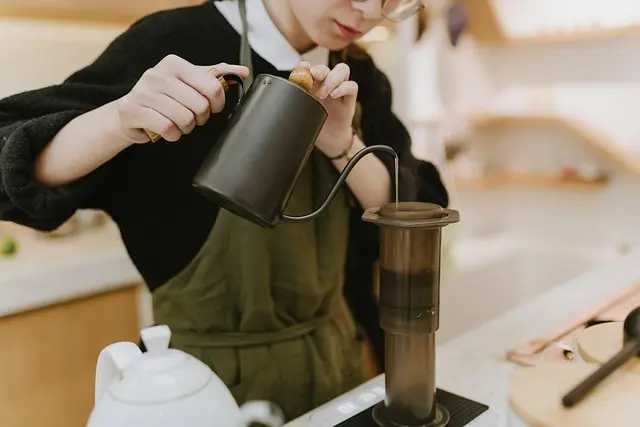
This featured stainless steel airtight canister is an exceptional solution for intermediate home baristas, everyday espresso drinkers, and specialty coffee enthusiasts who purchase standard 12-ounce to 16-ounce roast bags. Its robust construction, effortless latch mechanism, and visual date-tracking calendar make it ideal for individuals who prioritize convenience, aesthetic appeal on the kitchen counter, and reliable protection against daily oxygen and light exposure.
Conversely, this specific canister setup may not be optimal for ultra-low-volume drinkers who consume less than one espresso per day, or collectors who cycle through multiple single-origin varieties simultaneously. These users may benefit more from single-dose vacuum tubes or specialized deep-freeze storage containers, which allow for portion-controlled preservation without opening the primary bean reservoir daily. Additionally, commercial operations with high bean turnover will find integrated hopper storage more efficient than individual counter canisters.
Conclusion
Maintaining the integrity of roasted coffee beans is an essential discipline for achieving superior espresso extraction. By isolating whole beans from oxidation, light, ambient humidity, and thermal variance, a high-quality storage container preserves the complex flavor compounds and carbon dioxide necessary for rich, golden crema and balanced flavor profiles. Features such as food-grade 304 stainless steel, airtight silicone seals, and one-way CO2 valves represent the gold standard in coffee preservation technology.
Ultimately, selecting the proper coffee canister relies on matching the container's capacity to your daily consumption habits while avoiding unnecessary air exposure. For the majority of home baristas, investing in a dedicated airtight canister with an integrated date tracker offers an immediate, noticeable upgrade in cup quality and workflow efficiency. Elevating your storage routine ensures that the skill of the roaster and the potential of your espresso machine are fully realized in every cup.
FAQs
Should I store coffee beans in the refrigerator or freezer?
Storing coffee in the refrigerator is generally discouraged due to humidity fluctuations and the risk of beans absorbing surrounding food odors. Deep-freezing whole beans is acceptable for long-term storage, provided the beans are sealed in airtight, moisture-proof containers and fully thawed to room temperature before opening to prevent moisture condensation on the bean surface.
How long do coffee beans stay fresh inside an airtight canister?
When kept in a high-quality airtight canister with a one-way CO2 valve, whole bean coffee typically retains its peak espresso flavor profile for 3 to 6 weeks post-roast date. While the beans remain safe to consume beyond this window, natural loss of volatile gases and subtle oxidation will gradually diminish flavor intensity and crema production.
What is the primary function of the one-way CO2 valve?
Freshly roasted coffee naturally releases carbon dioxide gas (degassing) for several weeks after roasting. A one-way CO2 valve allows this gas to vent outward from the canister, preventing pressure build-up without allowing atmospheric oxygen or ambient moisture to re-enter and degrade the coffee.
How often should I replace the one-way valve filters in my canister?
For optimal gas exchange performance, the filter membranes within one-way CO2 valves should typically be replaced every 4 to 6 months under regular daily use. Replacement schedules may vary depending on usage frequency and bean roasting dark levels, as darker roasts release higher quantities of oils that can eventually coat the valve membrane.