
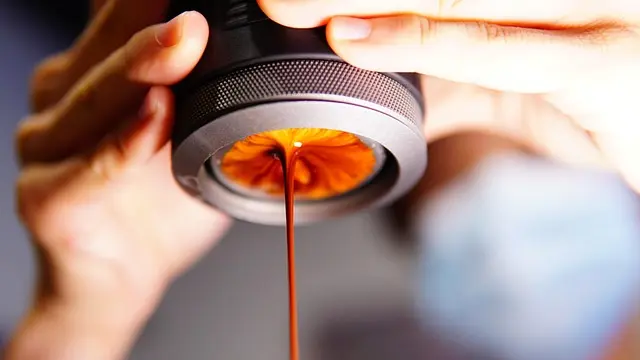
Welcome to the art and science of home espresso, a rewarding discipline that transforms humble coffee beans into a rich, concentrated, and highly aromatic beverage. Achieving café-quality results in your own kitchen requires a harmonious blend of quality ingredients, mechanical precision, and proper technique. From bean selection to machine hygiene, every detail plays a crucial role in determining the final taste profile of your shot.
In this comprehensive guide, we will explore the significance of choosing freshly roasted coffee beans, fine-tuning grind size, executing proper dosing and tamping techniques, and monitoring water quality and temperature. Additionally, we will examine common extraction mistakes to avoid and establish essential daily cleaning routines to keep your equipment running smoothly.
Ultimately, mastering home espresso is an iterative process that relies on control and consistency. By managing key extraction variables and upholding strict maintenance habits, you can reliably produce balanced, delicious espresso shots that rival those of your favorite specialty coffee shops.
Choosing the Right Coffee Beans: Why Fresh Roast Matters and What to Look For

(Image: Pixabay/@MickeyLIT)
The foundation of any exceptional espresso lies in the quality and freshness of the coffee beans. Freshly roasted coffee beans retain volatile organic compounds and carbon dioxide gas, which are essential for creating a rich, velvety layer of crema. Ideally, coffee beans should be brewed between seven and thirty days after their roast date, as stale beans lose their aromatic complexity and yield flat, thin extractions.
When selecting coffee beans, choose whole-bean packages that explicitly display a "roasted on" date rather than a generic expiration date. Medium to medium-dark roasts are traditionally favored for espresso because their soluble solids yield a harmonious balance of sweet caramel notes, pleasant body, and mild acidity. Darker roasts provide a traditional, bolder flavor profile, while lighter roasts highlight bright, floral, or fruity characteristics.
Furthermore, pay attention to the bean origin and processing method. Single-origin coffees showcase distinct regional flavors, whereas curated espresso blends offer enhanced consistency and crema production. Investing in specialty-grade coffee ensures that your espresso machine receives uniform, high-density beans capable of generating superior sensory results.
The Ideal Grind Size: How to Dial in Your Espresso Grinder for Proper Extraction
(Image: Pixabay/@RuslanSikunov)
Espresso extraction relies on high pressure forcing water through a compact bed of finely ground coffee. If the grind size is too coarse, water passes through too rapidly, resulting in an under-extracted shot that tastes watery, sour, and weak. Conversely, an excessively fine grind obstructs water flow, causing over-extraction that creates harsh, bitter, and dry flavors.
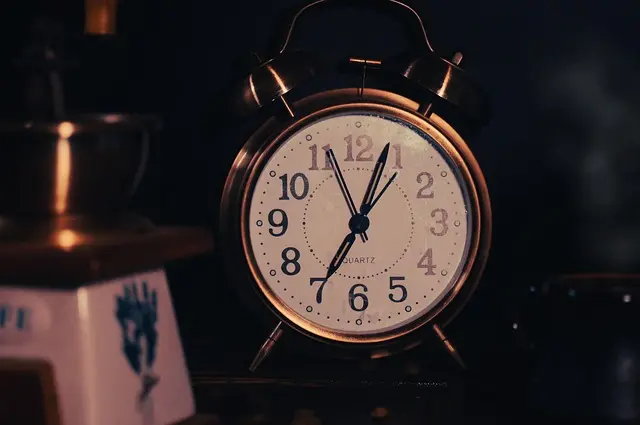
The process of "dialing in" your grinder involves making microscopic adjustments to achieve the optimal extraction time and yield—typically extracting a 1:2 brew ratio within 25 to 30 seconds. By carefully monitoring the flow rate and visual appearance of the liquid stream, you can determine whether your grind needs to be adjusted finer or coarser to hit the sweet spot of extraction.
To achieve this level of precision, a dedicated burr grinder is an absolute necessity. Unlike blade grinders, which chop coffee into inconsistent particle sizes, quality flat or conical burr grinders deliver a highly uniform particle size distribution. This uniformity ensures consistent resistance across the coffee puck, preventing channeling and enabling balanced flavor extraction.
Dosing and Tamping Techniques: Ensuring Even Pressure for a Balanced Shot
(Image: Pixabay/@eliasfalla)
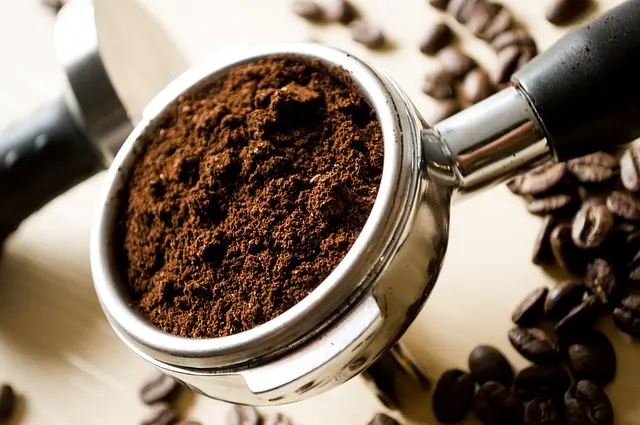
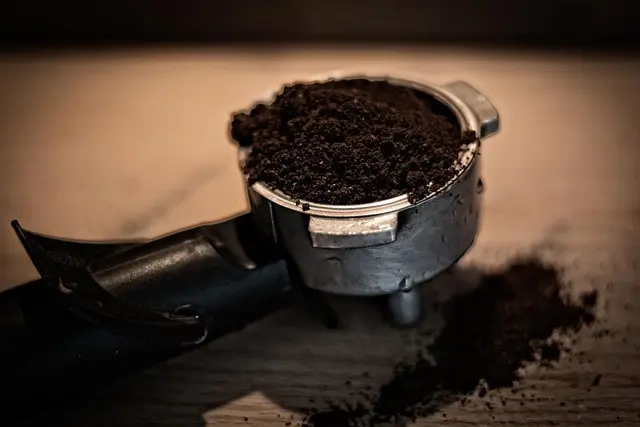
Dosing refers to measuring the exact weight of ground coffee inserted into the portafilter basket, typically ranging between 18 and 20 grams for a standard double shot. Consistent dosing is crucial; even slight variations in coffee mass alter the resistance against incoming water pressure, significantly affecting extraction dynamics and flavor balance.
After dosing, the coffee bed must be distributed evenly across the basket to eliminate density variations. Employing a distribution tool or utilizing the Weiss Distribution Technique (WDT) breaks up clumps and creates a level surface. This step prevents "channeling," a common defect where high-pressure water carves paths of least resistance through loose areas, leaving surrounding grounds unextracted.
Once distributed, tamping compresses the coffee grounds into a flat, solid puck. Apply firm, level pressure—approximately 20 to 30 pounds—until the grounds resist further compression. The key to successful tamping is ensuring the surface is completely horizontal; an uneven tamp directs water flow to one side of the basket, leading to localized over-extraction and under-extraction simultaneously.
Water Quality and Temperature: Critical Factors for Flavor Extraction
(Image: Pixabay/@PublicDomainPictures)
Because an espresso shot is composed of roughly 90 percent water, the chemical composition of your water source directly impacts the beverage's flavor. Tap water containing excessive minerals or chemical additives like chlorine can mask delicate coffee flavors and leave unpleasant chemical aftertastes. Moreover, overly hard water leads to rapid scale buildup within internal boilers and valves, compromising machine performance over time.
For optimal extraction and equipment protection, use filtered or lightly mineralized water with a balanced mineral content. Maintaining a Total Dissolved Solids (TDS) level of around 150 parts per million (ppm) ensures adequate mineral content—such as calcium and magnesium—to extract desirable flavor compounds without accelerating scale formation within your espresso machine.
Water temperature is an equally critical variable, with the ideal extraction window falling between 195°F and 205°F (90°C to 96°C). Brew water below this temperature range yields sour, sharp notes due to under-extraction, while water above 205°F scorches delicate aromatic compounds, producing a scorched, unpleasantly bitter espresso shot.
Common Mistakes to Avoid: Over-Extraction, Under-Extraction, and Dirty Equipment
(Image: Pixabay/@stevepb)
Identifying extraction flaws is essential for troubleshooting and improving your home barista skills. Under-extraction occurs when the brewing process terminates prematurely or when water flows too quickly through the coffee bed. The resulting espresso lacks depth, featuring a thin, pale crema, a watery mouthfeel, and pronounced sourness that overpowers all subtle sweet notes.
Over-extraction occurs when water extracts too many compounds from the coffee grounds, pulling out harsh, woody tannins. This shot typically flows extremely slowly, exhibits a dark crema with black ring edges, and presents an intense, astringent bitterness that lingers uncomfortably on the palate. Adjusting grind size, dose, and yield timing allows you to correct these extraction errors effectively.
Another widespread mistake is brewing with contaminated or unwashed equipment. Remnant coffee oils oxidation over time, leaving sticky, rancid residues inside the portafilter, shower screen, and basket. These stale oils ruin fresh extractions, introducing burnt, dirty flavors into your cup regardless of bean quality or extraction parameter precision.
Espresso Machine Maintenance: Daily Cleaning Routines for Optimal Performance
(Image: Pixabay/@jarmoluk)
Implementing a strict daily maintenance routine is essential for maintaining machine performance and consistent shot quality. Immediately after steaming milk, wipe the steam wand thoroughly with a damp microfiber cloth and purge it briefly with steam to prevent dried milk protein from clogging internal orifices and hosting bacterial growth.
At the conclusion of each brewing session, purge water through the group head and scrub the shower screen using a specialized group head brush to remove trapped coffee grounds. Perform a daily water backflush using a blind filter basket to clear out residual coffee oils lodged in the group head assembly and three-way solenoid valve.
Additionally, soak portafilters, filter baskets, and drip trays regularly in an organic espresso cleaning solution to break down built-up oils and scale deposits. Keeping your workspace and machine pristine ensures that every shot reflects pure coffee flavors and extends the operational lifetime of your espresso equipment.
Conclusion
Mastering the art of home espresso requires patience, precision, and continuous observation. By sourcing fresh, high-grade roasted coffee beans, accurately dialing in your grinder, and refining your distribution and tamping techniques, you establish control over the core variables that govern shot extraction.
Equally important is monitoring water quality and temperature, avoiding common extraction pitfalls, and committing to daily machine hygiene. As you develop these essential skills and routines, you will consistently craft delicious, perfectly balanced espresso shots from the comfort of your home.
FAQs
How long should a double shot of espresso take to extract?
A standard double espresso shot should ideally take between 25 and 30 seconds to extract from the moment the pump engages, producing a target brew ratio of 1:2 (e.g., 18g ground coffee yielding 36g liquid espresso).
Can I use regular coffee beans for making espresso?
Yes, any whole coffee beans can be used for espresso, as long as they are ground finely enough. However, medium to medium-dark roasts designed specifically for espresso offer optimal soluble extraction, rich crema, and balanced flavor profiles.
How often should I backflush my espresso machine with cleaner?
A simple water backflush should be performed daily after brewing. A chemical backflush using dedicated espresso machine cleaning powder should be done once every 1 to 2 weeks for typical home usage to dissolve stubborn coffee oils.