
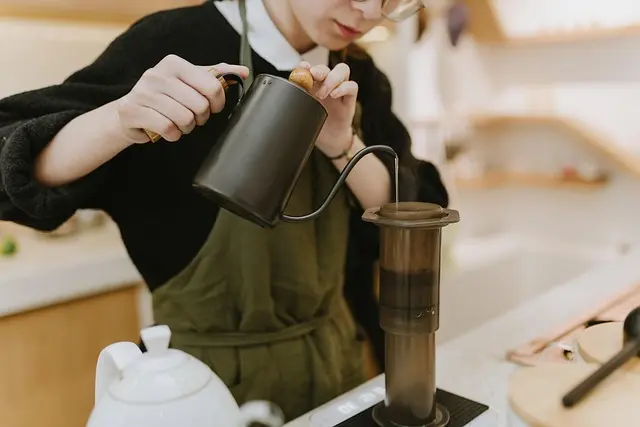
Crafting coffee at home has evolved from a simple morning routine into a refined culinary art. Achieving espresso quality that rivals high-end cafes requires a structured understanding of fluid dynamics, extraction chemistry, and mechanical precision. While the process may initially seem intimidating, systematic control over key brewing variables enables any dedicated coffee enthusiast to consistently produce exceptional shots.
This comprehensive guide addresses every essential stage of the espresso brewing process. We will explore how bean grind size and particle consistency govern water flow, how meticulous dosing and uniform tamping prevent extraction flaws, and why water chemistry and precise temperature control are fundamental to flavor balance. Additionally, we will examine the relationship between pressure and extraction timing, detail how to evaluate crema and flavor profiles, and outline indispensable machine maintenance practices that protect both equipment longevity and beverage quality.
Ultimately, mastering home espresso depends on understanding that no single variable acts in isolation. By systematically measuring inputs, recognizing visual and olfactory indicators, and adjusting parameters in response to taste, home baristas can bridge the gap between amateur brewing and commercial perfection.
Grind size and consistency: selecting the right bean grind for optimal extraction
(Image: Pixabay/@planet_fox)
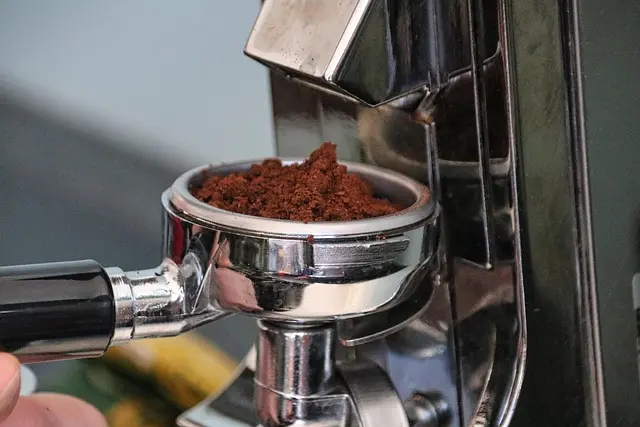
The grind size serves as the primary regulator of resistance inside the portafilter basket. Espresso requires a fine, uniform particle distribution that allows water to pass through under high pressure at a controlled velocity. If the coffee is ground too coarsely, water flows through the bed rapidly with minimal contact time, yielding a thin, sour, and under-extracted shot. Conversely, an excessively fine grind restricts flow, causing long contact times that leach undesirable, harsh, and bitter compounds from the grounds.
Achieving particle uniformity demands a quality burr grinder capable of micro-adjustments rather than a blade grinder, which shatters beans unevenly. Consistent particle distribution prevents localized areas of low resistance—a phenomenon known as channeling—where water rushes through micro-gaps rather than saturating the entire coffee puck evenly. Dialing in a new bean bean requires incremental adjustments to the grinder settings, balancing the flow rate against the targeted extraction time.
It is equally critical to account for bean age, roast profile, and ambient humidity when selecting your grind size. Darker roasts are more brittle and porous, requiring a slightly coarser setting to avoid over-extraction, whereas light roasts are denser and benefit from a finer grind to maximize solubles. Freshly roasted coffee continuously off-gasses carbon dioxide, requiring subtle daily adjustments to maintain steady extraction times and ideal taste characteristics.
Dosing and tamping techniques: ensuring an even coffee bed for balanced flavor
(Image: Pixabay/@AlexandraL_)
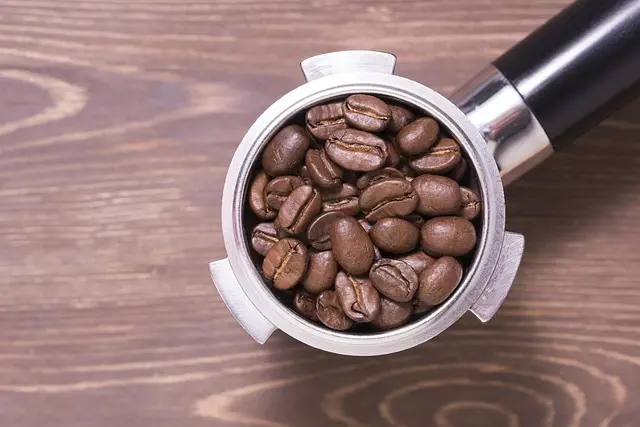
Dosing is the precise measurement of dry coffee grounds introduced into the portafilter basket, typically measured down to a tenth of a gram using a digital scale. Standard double-shot doses range between 18 and 20 grams, depending on the basket size and design. Maintaining an exact dose ensures that the space between the top of the compressed coffee bed and the shower screen—known as head space—remains consistent across successive extractions, preserving water distribution mechanics.
Once the coffee is dosed, even distribution across the basket is paramount before applying downward pressure. Utilizing a distribution tool or the Weiss Distribution Technique (WDT)—which involves gently stirring the grounds with fine needles—eliminates clumps and homogenizes the density of the dry coffee bed. Skipping this step often creates pockets of varied density, forcing water to flow unevenly through the puck and compromising flavor uniformness.
Tamping compresses the distributed grounds into a solid, level disk that offers uniform resistance to pressurized water. Position the portafilter on a stable surface, keep your wrist straight, and apply firm, level downward pressure until the coffee bed is fully compressed (approximately 20 to 30 pounds of pressure). The key to an effective tamp is achieving a perfectly level surface rather than maximum physical force; an unlevel tamp directs water toward the thinner side, leading to non-uniform extraction.
Water temperature and quality: the role of ideal heat and filtered water in brewing
(Image: Pixabay/@waneshih)
Because an espresso shot is composed of approximately 90 percent water, the chemical composition and purity of your water supply profoundly influence the final flavor profile. Tap water containing high concentrations of calcium and magnesium leads to rapid scale buildup within internal boilers and alters the perceived acidity of the espresso. Using properly filtered water with balanced mineral hardness (ideally around 75 to 150 ppm total dissolved solids) protects your machine and enhances delicate flavor compounds.
Thermal stability during the extraction cycle is equally vital for optimal compound dissolution. The ideal water temperature for brewing espresso falls between 195°F and 205°F (90°C to 96°C). Brewing at lower temperatures fails to extract the sweet, complex sugars, resulting in a flat, excessively sour cup. Higher temperatures threaten to scorch delicate aromatics, imparting an astringent, burnt taste to the finished beverage.
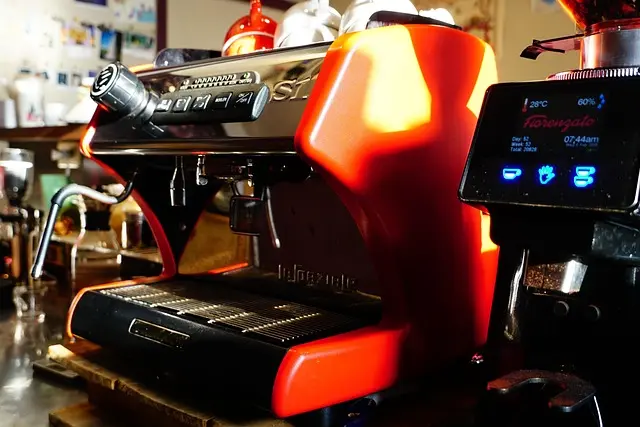
Modern espresso machines often utilize Proportional-Integral-Derivative (PID) controllers to maintain thermal stability within fractions of a degree. For machines without digital temperature control, flushing the group head briefly before locking in the portafilter helps equalize thermal energy throughout the brew path. Ensuring portafilters are pre-warmed before dosing also prevents cold metal from stealing heat during the extraction phase.
Pressure and extraction time: monitoring shot duration and pressure for the perfect yield
(Image: Pixabay/@frolicsomepl)
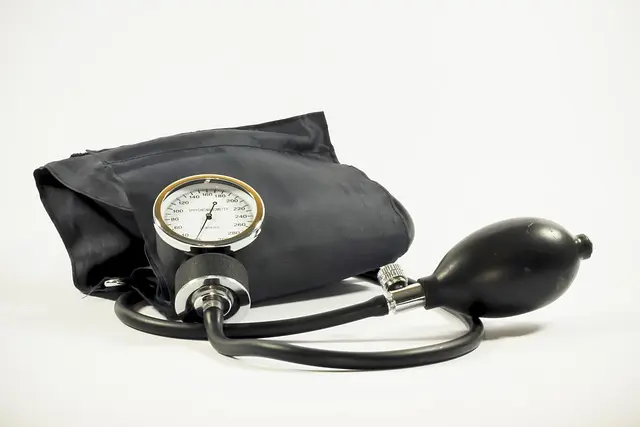
Commercial espresso extraction typically operates under approximately 9 bars of pressure, forcing water through the compressed coffee bed to emulsify insoluble oils and solids. This pressure creates the distinct body and suspension characteristic of traditional espresso. Monitoring pressure gauges during the initial phase of extraction provides critical feedback regarding puck resistance and machine performance.
The relationship between dose, liquid yield, and extraction duration defines the brewing formula. A standard target ratio for modern espresso is 1:2—for example, yielding 36 grams of liquid espresso from an 18-gram dry dose. Under standard conditions, achieving this yield should take between 25 and 30 seconds from the moment the pump engages, including any pre-infusion phase designed to saturate the grounds gently before full pressure application.
Deviations in extraction timing serve as direct indicators of grind or dosing adjustments needed. If 36 grams of liquid extracts in under 20 seconds, the shot is fast and likely under-extracted, requiring a finer grind or increased dose. Conversely, a shot taking longer than 35 seconds to reach target yield indicates excessive resistance, requiring a coarser grind setting to allow fluid to flow correctly.
Evaluating crema and flavor profile: recognizing visual cues and taste characteristics of a successful shot
(Image: Pixabay/@Dreamdecko)
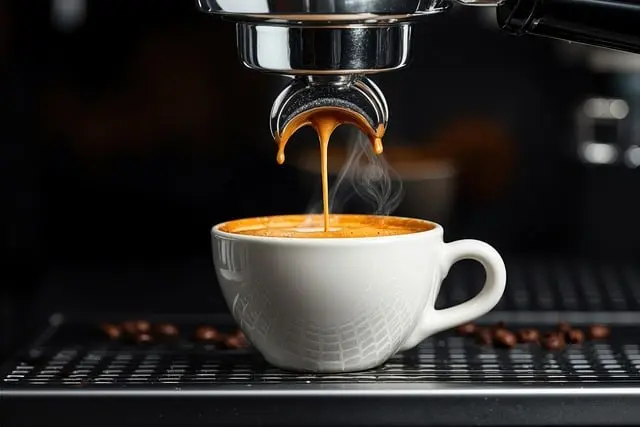
A successful espresso shot displays a dense, persistent layer of crema floating atop the dark liquid core. Crema is formed when carbon dioxide gas is trapped within micro-emulsions of coffee oils under pressure. High-quality crema exhibits a warm hazelnut or reddish-brown color, often featuring darker flecks known as "tiger striping." A pale, thin crema indicates under-extraction or stale beans, while a dark brown crema with a black ring suggests over-extraction.
While visual cues provide useful initial feedback, sensory evaluation remains the ultimate test of espresso quality. A well-balanced shot presents a harmonious combination of pleasant acidity, lingering sweetness, and gentle bitterness, accompanied by a rich, velvety mouthfeel. No single flavor note should overwhelm the palate; instead, light fruit or floral tones should transition seamlessly into deeper chocolate, nut, or caramel finishes.
Recognizing extraction defects through taste allows baristas to make precise operational corrections. Sharp, unpleasant sourness combined with a thin body points to under-extraction, signaling a need to increase brew temperature, refine the grind, or extend contact time. Heavy astringency, drying sensations on the tongue, and harsh ash-like bitterness indicate over-extraction, requiring a coarser grind or shortened extraction volume.
Machine maintenance and cleanup: essential care tips to keep your equipment performing at its best
(Image: Pixabay/@gefrorene_wand)
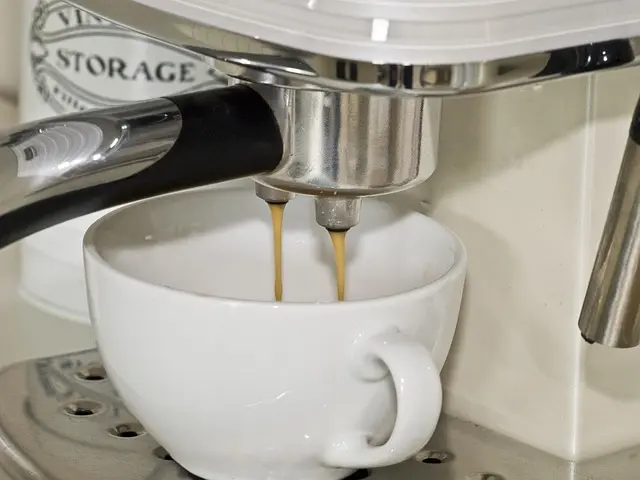
Regular maintenance is essential for preserving machine integrity and maintaining cup quality over time. Coffee grounds contain natural oils that migrate into the shower screen, portafilter baskets, and internal group head components. Over time, these residual oils oxidize and turn rancid, imparting foul, bitter flavors into subsequent espresso shots regardless of bean quality or technique.
Daily cleaning routines should include purging and wiping the steam wand immediately after frothing milk, brushing residual grounds from the group head gasket, and rinsing portafilter baskets under hot water. Backflushing the group head with a blind filter basket and specialized espresso cleaning detergent on a weekly basis removes trapped coffee oils from the three-way solenoid valve and internal water lines.
Periodic maintenance should also focus on water scale management and component replacement. Inspect shower screens and group gaskets monthly, replacing hardened rubber seals to maintain an airtight connection with the portafilter. Performing routine descaling operations according to manufacturer guidelines prevents scale build-up inside internal boilers, maintaining peak pressure and thermal stability for years to come.
Conclusion
Pulling the perfect espresso shot is an achievable skill that requires methodical attention to detail, consistency, and continuous learning. By treating each variable—from grind particle uniformity and precise dosing to thermal stability and pressure control—as part of an interconnected process, home baristas can systematically eliminate extraction flaws and unlock the full sensory potential of exceptional coffee beans.
Equipment maintenance and sensory evaluation round out the core competencies of espresso preparation. Keeping your machinery clean ensures pure flavor transfer, while honing your palate allows you to translate visual cues and taste defects into meaningful adjustments on your next extraction. Through thoughtful experimentation and technical care, crafting cafe-quality espresso at home becomes a rewarding daily craft.
FAQs
What is the ideal dose for a standard double shot of espresso?
A standard double-shot dose typically ranges from 18 to 20 grams of finely ground coffee, depending on the specific basket size and roast profile used.
How do I know if my espresso shot is under-extracted?
Under-extracted espresso generally flows too quickly (in under 20 seconds), features a pale, thin crema, and exhibits a thin body with sharp, unpleasant sourness.
Why is my espresso machine producing channeling?
Channeling occurs when water finds paths of least resistance through the coffee puck. It is usually caused by an uneven grind, clumps in dry grounds, poor distribution, or an unlevel tamp.
How often should I clean my home espresso machine?
You should purge and wipe the shower screen and steam wand daily. Perform a backflush with coffee detergent weekly, and inspect gaskets and perform complete descaling periodically based on your water hardness.