
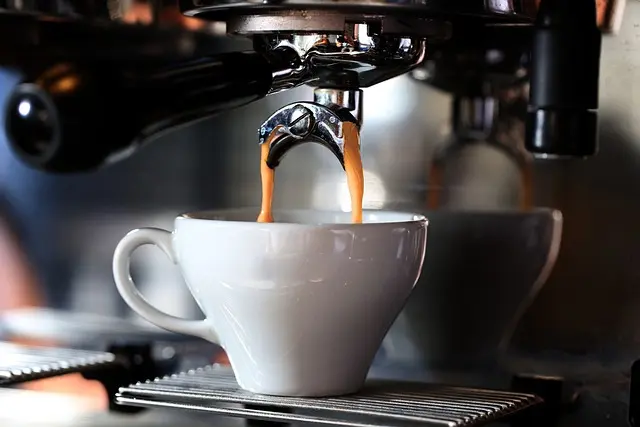
Crafting exceptional espresso at home requires a balance of culinary precision, technical understanding, and quality control. Every variable—from the density of coffee grounds to the mineral content of water—exerts a powerful influence on the flavor, mouthfeel, and visual presentation of the final shot. Mastering this intricate process demands systematic attention to detail and an understanding of key brewing principles.
This comprehensive guide explores the essential dos and don'ts of home espresso preparation. Readers will gain clear insights into selecting suitable coffee beans, controlling grind consistency, perfecting tamping pressure, regulating water temperature, managing extraction times, and maintaining machinery. Adhering to these foundational standards guarantees a superior cup and extends the operational life of your espresso equipment.
Bean Selection: Fresh Specialty Beans vs. Dark Oily Beans
(Image: Pixabay/@music4life)
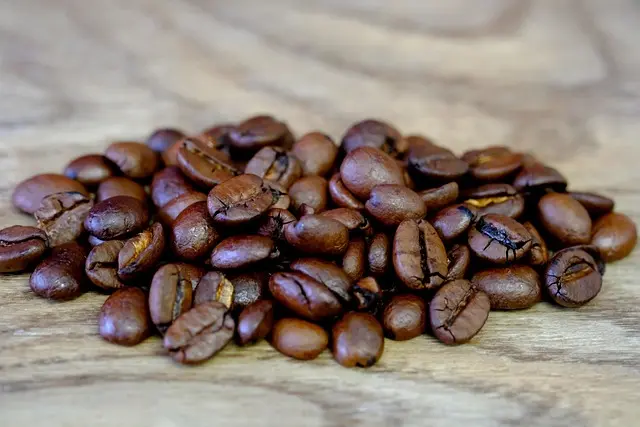
Do use freshly roasted specialty beans. The journey to a rich, balanced espresso shot begins with high-quality specialty coffee. Ideally, espresso beans should be used between seven and thirty days after their roast date. During this window, the coffee retains its dynamic aromatic oils and optimal levels of carbon dioxide gas, which are crucial for forming a dense, durable layer of crema atop the shot.
Don't use dark, oily beans that clog your grinder. Super-dark roasts that display a shiny, greasy layer of surface oil pose serious maintenance challenges for home espresso setups. These sticky surface oils rapidly coat internal grinder burrs, bean hoppers, and portafilter baskets. Over time, residual oil oxidizes, creating rancid flavors in subsequent brews and increasing the risk of mechanical grinder blockages.
Grind Size Control: Burr Grinders vs. Blade Grinders
(Image: Pixabay/@RuslanSikunov)
Do use a quality burr grinder for fine consistency. High-grade conical or flat burr grinders crush coffee uniformly to a precise micro-particle size. Uniformity is vital because espresso relies on high pressure forcing water through a tightly packed coffee bed; consistent particle sizes ensure predictable water resistance, uniform flow, and harmonious flavor extraction across the entire puck.
Don't rely on blade grinders or pre-ground coffee. Blade grinders slice coffee unevenly, producing an unstable mix of large fragments and fine dust. This variance leads to unpredictable flow rates and muddy flavors. Meanwhile, pre-ground coffee loses its delicate, volatile aromatic compounds within minutes of exposure to air, resulting in a flat, thin, and stale espresso experience.
Proper Tamping Technique: Even Pressure vs. Channeling
(Image: Pixabay/@freestocks-photos)
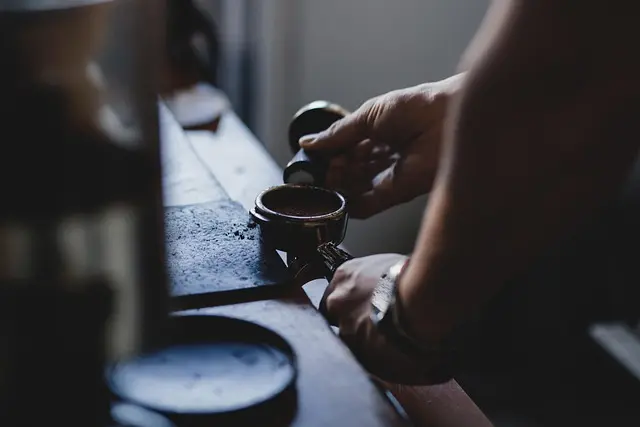
Do apply firm, level pressure to the grounds. Tamping compresses loose coffee grounds into a uniform, level puck inside the portafilter basket. To execute a proper tamp, align your wrist and forearm vertically, applying approximately 20 to 30 pounds of even, downward pressure. A level surface ensures that incoming pressurized water meets equal resistance across the entire coffee bed.
Don't tamp unevenly, causing channeling. Slanted or inconsistent tamping leaves density variations across the coffee puck. Under high pressure, water naturally seeks the path of least resistance, forcing high-speed streams through low-density weak points—a phenomenon known as channeling. Channeling results in a disappointing shot that tastes simultaneously sour from under-extracted regions and bitter from over-extracted pathways.
Water Quality and Temperature: Filtered Water vs. Tap Water
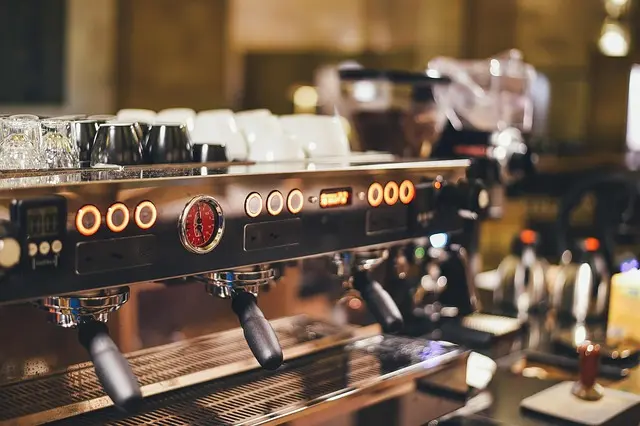
(Image: Pixabay/@Pexels)
Do use filtered water heated between 195 and 205 degrees Fahrenheit. Liquid espresso is composed of approximately 90 to 95 percent water, making water quality paramount to overall flavor quality. Utilizing soft, filtered water with balanced mineral content protects delicate delicate origin notes. Maintaining stable brewing temperatures between 195°F and 205°F ensures efficient, balanced compound extraction without scorching the grounds.
Don't use unfiltered tap water. Unfiltered tap water frequently contains elevated levels of chlorine, organic impurities, or heavy metals that introduce unwanted chemical off-flavors to your brew. Furthermore, hard tap water deposits scale inside heating boilers and group head lines, leading to severe thermal instability, diminished pressure, and costly equipment repairs.
Timing the Extraction: Dialing In vs. Ignoring Yields

(Image: Pixabay/@allybally4b)
Do aim for a shot pull time between 25 and 30 seconds. A standard benchmark for modern espresso involves achieving a 1:2 brew ratio—such as extracting 36 grams of liquid espresso from 18 grams of dry coffee—within a 25 to 30-second duration. Monitoring extraction time serves as an immediate indicator of whether your grind size and dose are properly calibrated for optimal balance.
Don't ignore under- or over-extracted shots. Shots extracted faster than 20 seconds tend to yield sour, thin, and astringent profiles due to incomplete extraction. Conversely, shots running far beyond 30 seconds pull harsh, dry, and unpleasantly bitter compounds into the cup. Regularly adjust your grind setting finer or coarser to bring extraction timing back into the ideal golden zone.
Equipment Cleanliness: Routine Maintenance vs. Neglect
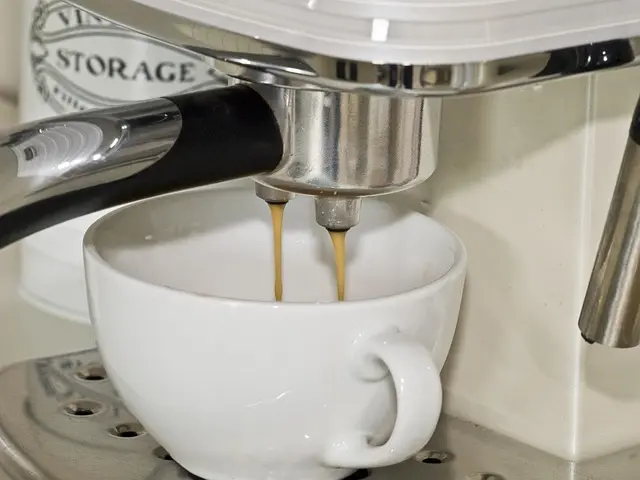
(Image: Pixabay/@gefrorene_wand)
Do purge and wipe the group head after every shot. Flushing a brief pulse of hot water through the group head removes loose grounds stuck to the shower screen, while wiping down the portafilter basket eliminates spent residue. Incorporating this brief routine maintains strict sanitation standards and prevents stale, bitter coffee buildup from contaminating future extractions.
Don't leave spent coffee pucks in the portafilter. Allowing damp coffee pucks to sit inside a locked portafilter bakes old coffee grounds onto the metal filter basket screen. This habit traps stale oils, breeds mold in humid environments, and drains thermal energy away from the group assembly, negatively impacting subsequent extractions.
Conclusion
Mastering home espresso is an ongoing process defined by observation, consistency, and respect for mechanical and chemical variables. By selecting fresh, un-oily beans, utilizing a capable burr grinder, applying precise tamping pressure, and maintaining clean water parameters, home baristas eliminate the vast majority of common extraction errors.
Maintaining clean equipment and carefully tracking shot timing guarantees that every espresso shot hits its full potential in body, crema, and flavor balance. Incorporate these foundational dos and don'ts into your daily coffee workflow to enjoy professional, cafe-quality espresso results from the comfort of your home kitchen.
FAQs
Why is my espresso shot pulling too fast?
A fast extraction generally indicates that the coffee grind is too coarse, allowing pressurized water to pass through too rapidly. It can also stem from an under-dosed basket or insufficient, uneven tamping pressure. Adjust your grinder to a finer setting to increase resistance against the water flow.
Can I use regular drip coffee beans for espresso?
While any roasted coffee bean can technically be used to pull an espresso shot, beans labeled specifically for espresso are typically roasted to complement high-pressure extraction. Drip roasts may taste overly acidic or thin when prepared as espresso, whereas espresso roasts emphasize full body, sweetness, and stable crema.
How often should I clean my home espresso machine?
You should purge the group head and wipe out the portafilter basket after every single shot. At the end of each brewing session, perform a thorough water rinse. Depending on usage, execute a chemical backflush with dedicated espresso cleaner weekly, and descale the machine's internal boiler system every three to six months based on local water hardness.