

Investing in a high-quality coffee setup often leads espresso enthusiasts to a critical crossroads: choosing between a unified, all-in-one appliance or acquiring specialized, separate components. An integrated espresso machine combines a bean grinder, a precision brewing group, and a milk frothing system into a single cohesive footprint. This comprehensive guide delivers a technical and operational breakdown of these versatile machines, helping you evaluate whether an all-in-one unit aligns with your daily coffee rituals and performance standards.
Throughout this article, we will examine the engineering behind integrated conical burr grinders, compare manual steam wands against automated milk carafes, and analyze essential specifications such as PID temperature stability and pump pressure dynamic limits. Furthermore, we will break down workflow features, contrast target user profiles, and detail rigorous long-term maintenance protocols required to protect your equipment. By understanding these key variables, you will be fully equipped to select an appliance that balances convenience, extraction quality, and longevity.
Ultimately, all-in-one espresso machines serve as an exceptional solution (Amazon Link) for users seeking commercial-grade espresso and microfoam without sacrificing precious countertop real estate. While dedicated stand-alone setups offer ultimate modularity for niche experimentation, modern integrated systems provide remarkable thermal consistency, precise grind adjustability, and an effortless transition from whole bean to finished beverage.
Built-in Grinder Mechanics: Why Fresh Bean-to-Cup Grinding Matters for Espresso Extraction
(Image: Pixabay/@Pexels)
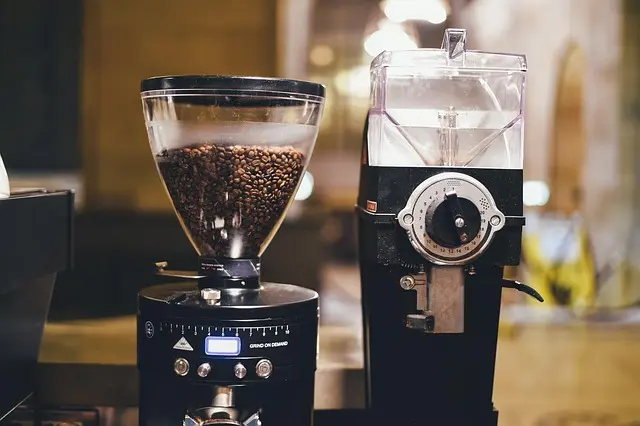
The journey to exemplary espresso begins with particle size uniformity. Pre-ground coffee rapidly loses volatile organic compounds through oxidation within minutes of being ground, leading to flat, astringent extractions devoid of nuanced flavor notes. Integrated grinders combat this degradation by delivering freshly pulverized coffee directly into the portafilter or brewing chamber, preserving aromatic lipids and delicate acids critical for rich crema formation.
Most all-in-one systems incorporate stainless steel or ceramic conical burr grinders engineered to operate at lower revolutions per minute (RPM). This deliberate mechanical design minimizes friction heat, preventing the delicate coffee oils from scorching prior to extraction. Stepped adjustment collars allow users to fine-tune the particle distribution, ensuring optimal resistance against pressurization during the brew cycle.
Furthermore, internal retention—the volume of ground coffee left inside the chute between uses—has been dramatically reduced in modern integrated designs. Low-retention pathways guarantee that each shot is brewed exclusively with fresh grounds rather than stale remnants from previous cycles, resulting in consistent extraction yields and predictable dose weight control.
Microfoam Mastery: Evaluating Integrated Steam Wands vs. Automated Milk Frothing Systems
(Image: Pixabay/@StockSnap)
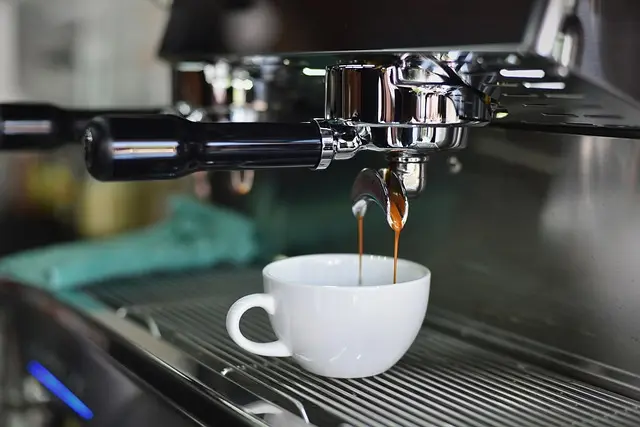
Texturing milk to a silky, glossy microfoam state requires a delicate balance of steam pressure, temperature, and aeration. All-in-one espresso machines generally utilize one of two froth delivery designs: commercial-style manual steam wands or fully automated carafe systems. Selecting the appropriate mechanism depends heavily on your preference for tactile control versus effortless convenience.
Manual steam wands, particularly those equipped with dual-wall or commercial steam tips, empower users to manipulate milk vortexing manually. This tactile interaction allows baristas to integrate tiny micro-bubbles throughout the liquid volume, producing ideal textures required for intricate latte art and a dense, velvety mouthfeel. However, mastering manual steam wand angle, depth, and temperature regulation involves a distinct learning curve.
Conversely, automated milk frothing systems and integrated carafes pull milk through an internal venturi system to dispense hot, aerated foam directly into the cup at the push of a button. While modern automatic systems offer customizable foam density settings, they generally prioritize speed and consistency over the ultra-refined microfoam required for advanced pouring techniques. Additionally, automated milk circuits require immediate, diligent rinsing to prevent milk solids from drying within internal tubes.
Essential Specs to Look For: Pump Pressure, Thermoblock Heating, and PID Temperature Control
(Image: Pixabay/@fernandozhiminaicela)
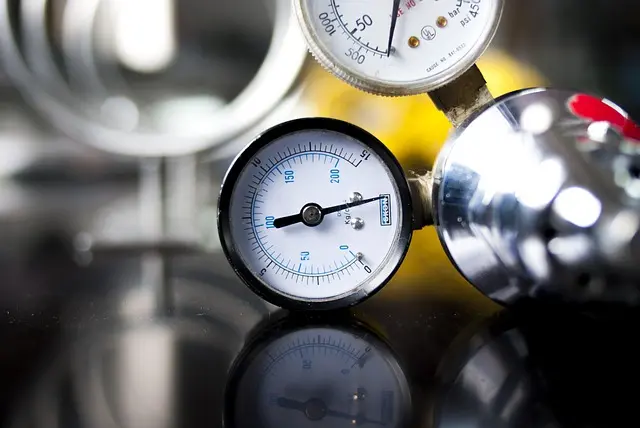
Navigating the specification sheet of an espresso machine requires distinguishing marketing hype from genuine performance metrics. While manufacturers often boast pump capabilities of 15 to 19 bars, true espresso extraction ideal occurs at a lower 9 bars of pressure applied directly to the coffee puck. High-performance units utilize an Over-Pressure Valve (OPV) to bleed off excess pump pressure, preventing channelization and harsh extractions.
Thermal stability is equally critical to extraction quality. Heating architectures typically split between traditional single or dual boilers and modern Thermoblock or ThermoJet fast-heating blocks. Thermoblocks pass water through a dense heating element on demand, reaching operating temperatures in seconds and offering exceptional energy efficiency, whereas dedicated boiler systems maintain larger thermal reservoirs for simultaneous brewing and high-output steaming.
To eliminate temperature fluctuations during brew cycles, advanced all-in-one machines utilize Digital Proportional-Integral-Derivative (PID) controllers. PID technology continuously monitors the heating element, delivering micro-adjustments in power to keep water temperatures locked within a tight tolerance (typically between 195°F and 205°F). This level of thermal precision prevents sour, under-extracted shots caused by cold water and bitter, burnt shots caused by excessive heat.
Top Features Breakdown: Balancing Ease of Use, Customization, and Cleanup Effort

(Image: Pixabay/@Erik_Lucatero)
Modern espresso machines strive to balance rich customization options with intuitive user interfaces. Entry-level to mid-range all-in-one units often feature programmable volumetric dosing, allowing users to preset single and double shot water volumes. Higher-end models feature high-definition touchscreens that walk users through grind size adjustments, shot timing metrics, and personalized profile storage.
Customization must be weighed against the routine cleanup required after every beverage cycle. Features such as removable drip trays, accessible water reservoirs, and automated purge cycles significantly reduce daily friction. Machines that automatically purge the steam wand after milk texturing or perform a quick rinse of the shower head after extraction help maintain hygienic conditions without tedious intervention.
When evaluating feature sets, pay close attention to the construction materials of high-wear components. Stainless steel portafilters, brass group heads, and heavy-duty burr sets provide superior longevity and heat retention compared to lightweight plastic alternatives. Choosing a machine with robust internal components ensures consistent performance over years of daily operation.
Target User Guide: Who Should Buy an All-in-One Setup vs. Dedicated Separate Appliances
(Image: Pixabay/@Markus_KF)
All-in-one espresso machines cater exceptionally well to individuals who value space management, sleek aesthetic uniformity, and streamlined morning workflows. By combining the grinder, water heater, group head, and steam wand into a single housing, these units reduce counter clutter and eliminate the need for multiple electrical outlets. They are ideal for busy professionals and home users who want high-quality specialty coffee without managing separate appliances.
On the other hand, dedicated standalone appliances appeal to technical coffee hobbyists who demand modular flexibility. Purchasing a standalone espresso machine and a dedicated grinder allows users to upgrade individual components over time without replacing the entire system. Standalone grinders often feature larger burr diameters, infinite step-less adjustments, and specialized low-retention geometries tailored for extreme coffee experimentation.
A primary consideration when selecting an all-in-one system is serviceability. If a single integrated component fails, such as the grinder motor, the entire unit may require factory servicing. Prospective buyers must weigh the immediate spatial and operational conveniences of an integrated appliance against the modular maintenance advantages of independent coffee gear.
Long-Term Maintenance Tips: Descaling, Backflushing, and Keeping Your Integrated Grinder Clean
(Image: Pixabay/@eliasfalla)
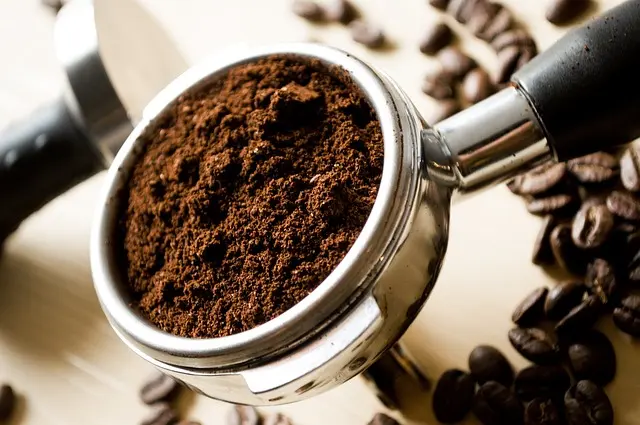
Proactive maintenance is vital for preserving the operational health and flavor purity of your espresso machine. Mineral scale accumulation inside heating circuits remains the primary cause of equipment failure. Running scheduled descaling cycles using specialized acidic solutions—rather than harsh household vinegar—dissolves calcium deposits without degrading internal seals, heat exchangers, or aluminum components.
Backflushing the brew group is an equally essential routine for machines equipped with a three-way solenoid valve. By inserting a blind filter disc and a specialized detergent tablet into the portafilter, high-pressure water forces residual coffee oils, fine particles, and spent carbon out of the shower head and discharge tube. Performing a backflush weekly prevents rancid oil build-up from fouling subsequent coffee extractions.
Finally, integrated burr grinders require regular physical cleaning to remain free from compacted coffee fines and migrating oils. Using specialized non-organic grinder cleaning tablets absorbs rancid lipids from the upper and lower burrs. Periodically removing the upper burr to vacuum out residual chaff and ground build-up prevents motor strain and ensures accurate grind size calibration over time.
Conclusion
Selecting the best all-in-one espresso machine requires balancing performative brewing capabilities with your specific lifestyle demands and kitchen space. Integrated units provide an exceptionally streamlined pathway from whole bean to polished milk beverage, bringing specialty coffee shop standards into the home environment. By prioritizing key specifications like PID thermal stability, precise pressure management, and robust burr construction, you secure an appliance capable of delivering exceptional extractions day after day.
Ultimately, long-term satisfaction hinges on proper matching of machine features to your daily routine, coupled with a commitment to systematic maintenance. Regular descaling, backflushing, and grinder care will ensure your all-in-one unit operates smoothly for years. Armed with the insights provided in this guide, you can confidently invest in a setup that yields delicious espresso, flawless milk foam, and an elevated coffee experience.
FAQs
Are all-in-one espresso machines worth the investment?
Yes, for users seeking high-quality espresso with maximum countertop efficiency and streamlined convenience, all-in-one machines offer incredible value. They bundle a grinder, espresso extractor, and steam wand into one unit, typically costing less than buying equivalent standalone components separately.
Can I use pre-ground coffee in an all-in-one espresso machine?
Most all-in-one espresso machines feature a bypass doser option, allowing you to use pre-ground coffee directly in the portafilter without passing through the integrated grinder. This feature is particularly useful for serving decaffeinated coffee or specialty pre-ground roasts.
How often should I descale my all-in-one espresso machine?
Descaling frequency depends heavily on your local water hardness and machine usage, but generally, it should be performed every 2 to 3 months. Using filtered or softened water extends the interval between descaling cycles and prevents destructive mineral build-up.
Is an integrated grinder as good as a standalone espresso grinder?
Integrated grinders found in modern high-end machines are exceptionally capable and more than sufficient for dialling in balanced daily espresso. While high-end standalone grinders offer larger burrs and step-less adjustments preferred by extreme enthusiasts, integrated grinders provide excellent performance within a compact footprint.